Learn What Makes a Mechanical Watch Move
Movement Fundamentals
See how the mainspring, gear train, escapement, and balance wheel work together to control mechanical timekeeping.
Steady Tool Handling
Practice matching screwdriver blades, controlling fine tweezers, and placing tiny components without forcing them.
Ordered Bench Practice
Use photographs, covered parts trays, and component checks to keep each disassembly and reassembly stage traceable.
Notes From the Watch Bench
Choosing the Right Watchmaker Screwdriver for the Screw Slot
Put a few watchmaker screwdrivers next to an inexpensive training movement. Pick one visible screw…
Why Tiny Watch Screws Disappear and How to Keep Them Organized
Watch screws don’t usually go missing because they’re invisible; they go missing because they’ve escaped…
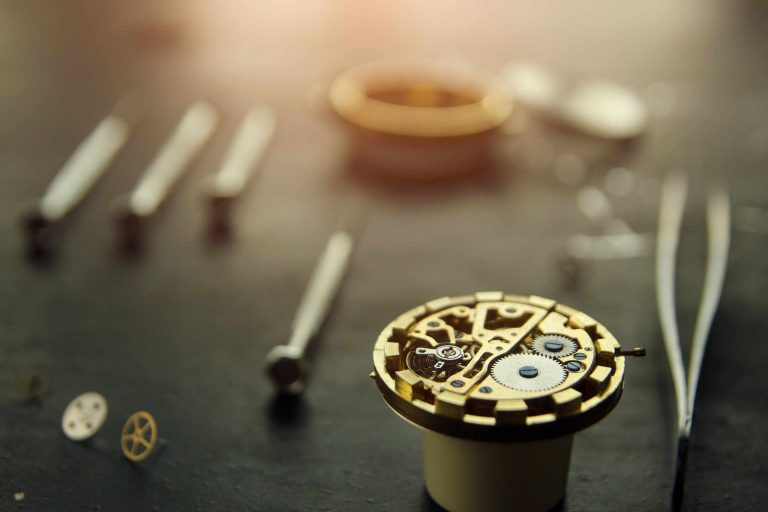
Choosing a Practice Watch Without Risking a Valuable Timepiece
Your old watch might seem like a perfect first project, especially if it’s stopped working.…

The Small Parts Finally Felt Manageable
I stopped removing parts at random and began photographing each stage, separating the screws, and checking bridge alignment before tightening anything.

Amane Itakura
Protect the Dial and Hands
Use a dial protector, hand puller, finger cots, and controlled pressure to reduce scratches, fingerprints, and bent hands during basic removal exercises.
Inspect Before Reassembly
Examine pivots, jewel bearings, gear teeth, and screw heads under a loupe before returning each component to the movement.
Seat Bridges Without Force
Confirm that every pivot enters its jewel and that the wheels rotate freely before tightening a bridge onto the main plate.
Control Each Oil Drop
Practice with a fine oiler and learn to place a restrained amount of lubricant instead of flooding jewels and nearby movement surfaces.